A clearer picture.
Not a closer watch.
Levl is a treatment timeline: what you’re taking and how you’re doing, side by side, drawn from the devices you already wear and your own words. It’s for you, and for the clinician you choose to share it with.
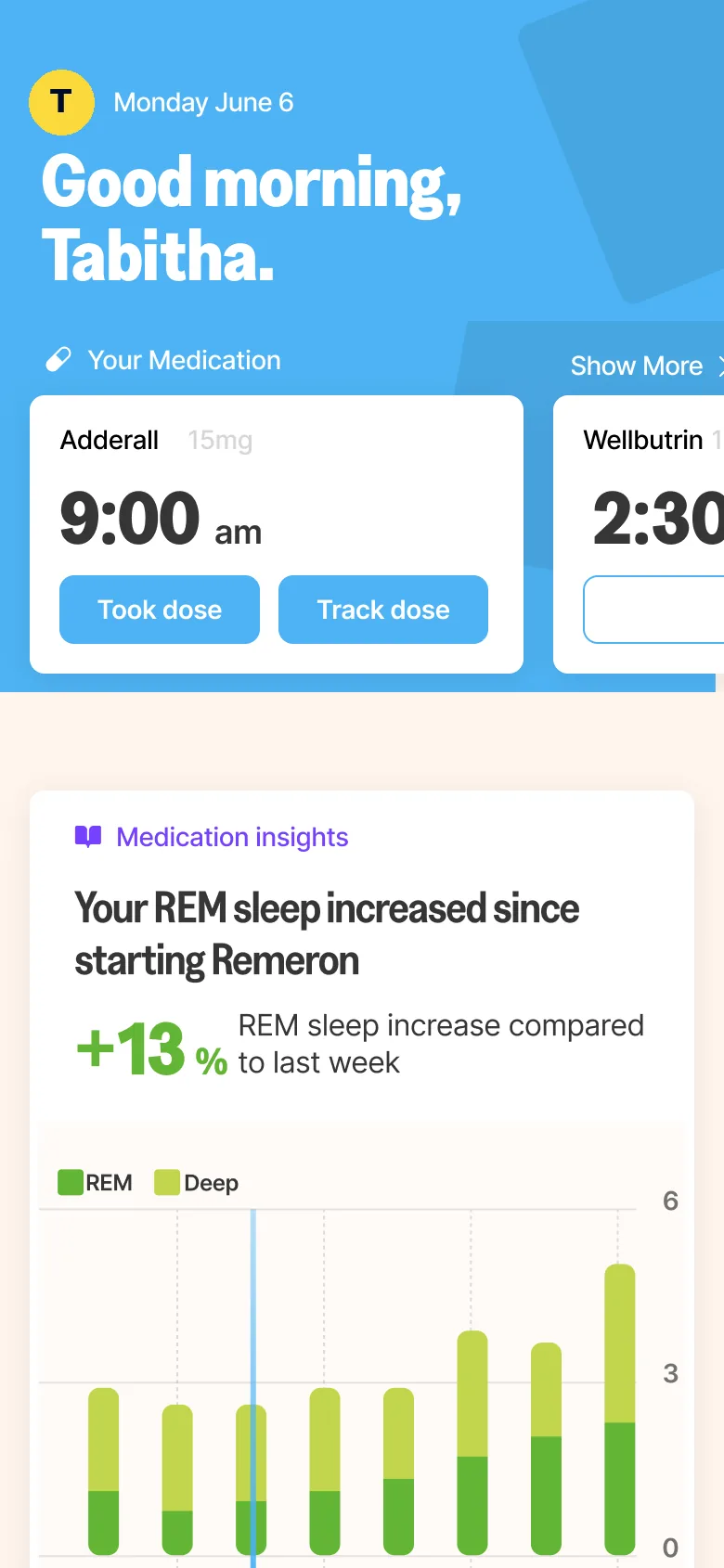
It worked for thousands of people.
How’s it going for you?
A treatment earns its place in studies of other people. Then it becomes yours, and the record goes quiet.
Your clinician sees you for a few minutes every few weeks and works from what you can remember. Your watch logs months of sleep and heart rate that never meet your chart. Most of treatment happens in between, where nobody has much to go on.
- An appointment
- Everything in between
What you take and how you’re doing, on one timeline.
The Levl app is in private beta. These are its designs, shown with sample data.
-
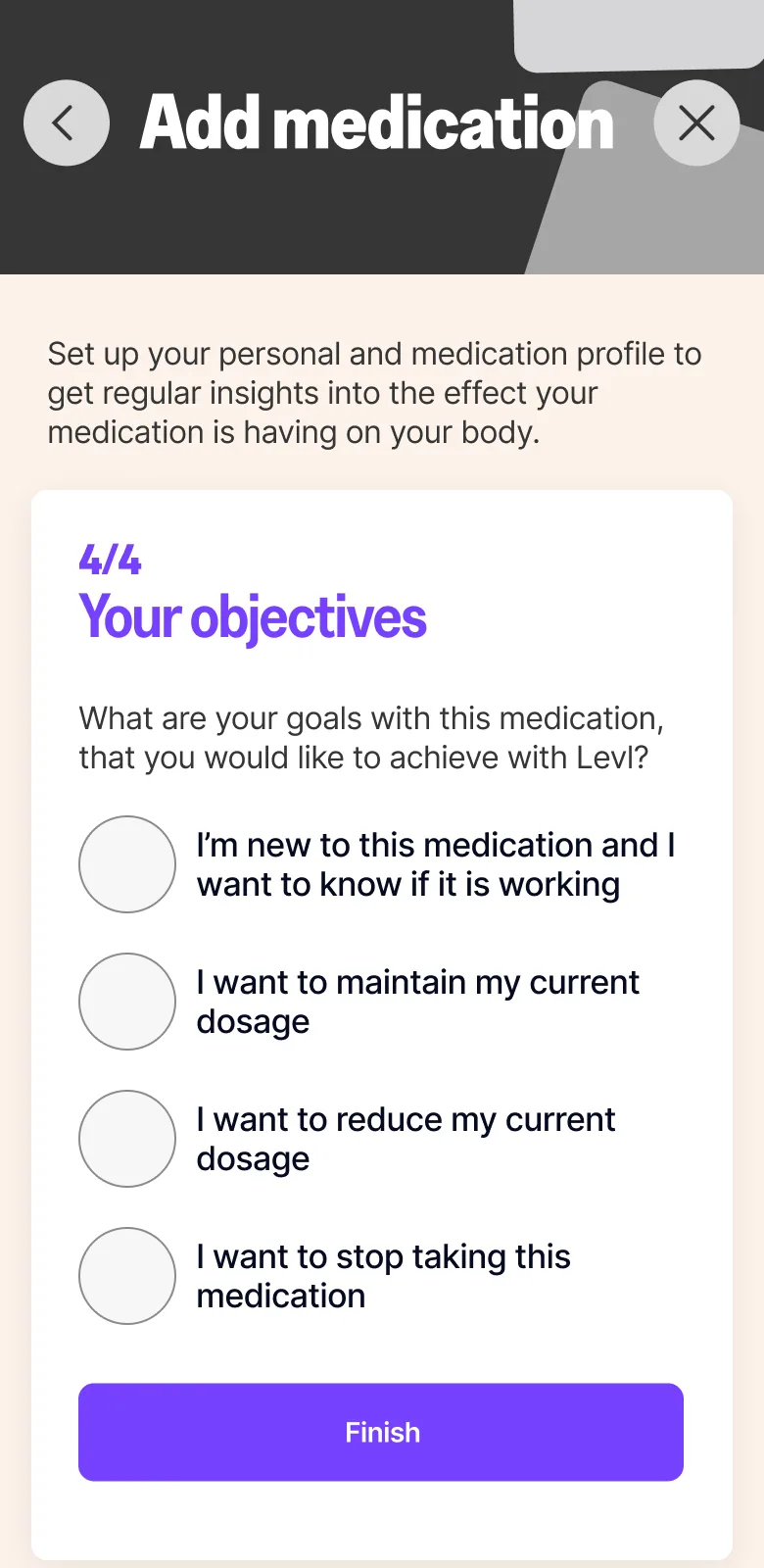
Start from the treatment.
Tell Levl what you take and what you want from it: to find out how it’s going, hold steady, come down, or come off it with your prescriber.
-
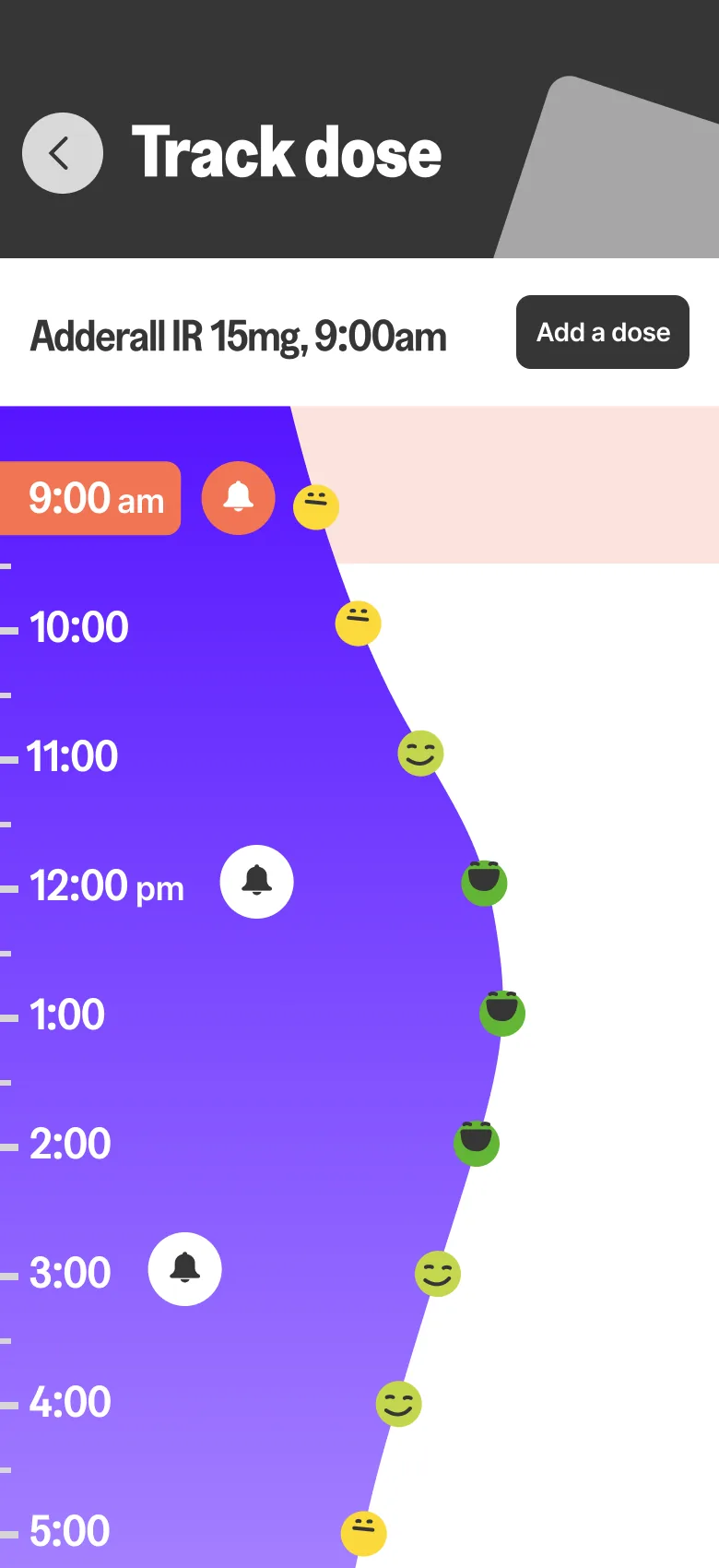
See your day on your dose.
Doses, reminders and check-ins on one day-long view, so the afternoon makes sense in light of the morning.
-
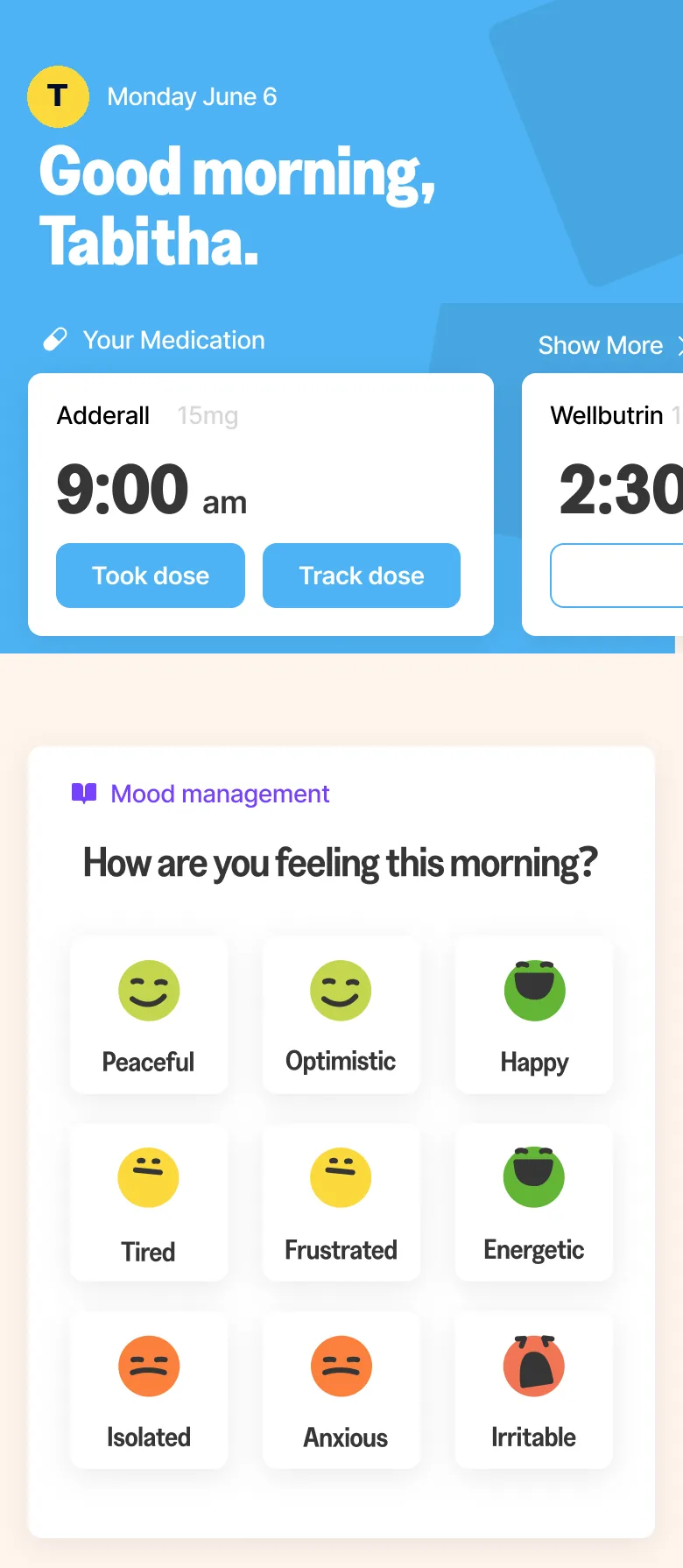
Add your side in seconds.
One tap for how you feel, and short check-ins based on questionnaires clinicians already use. How you feel belongs in the picture.
-
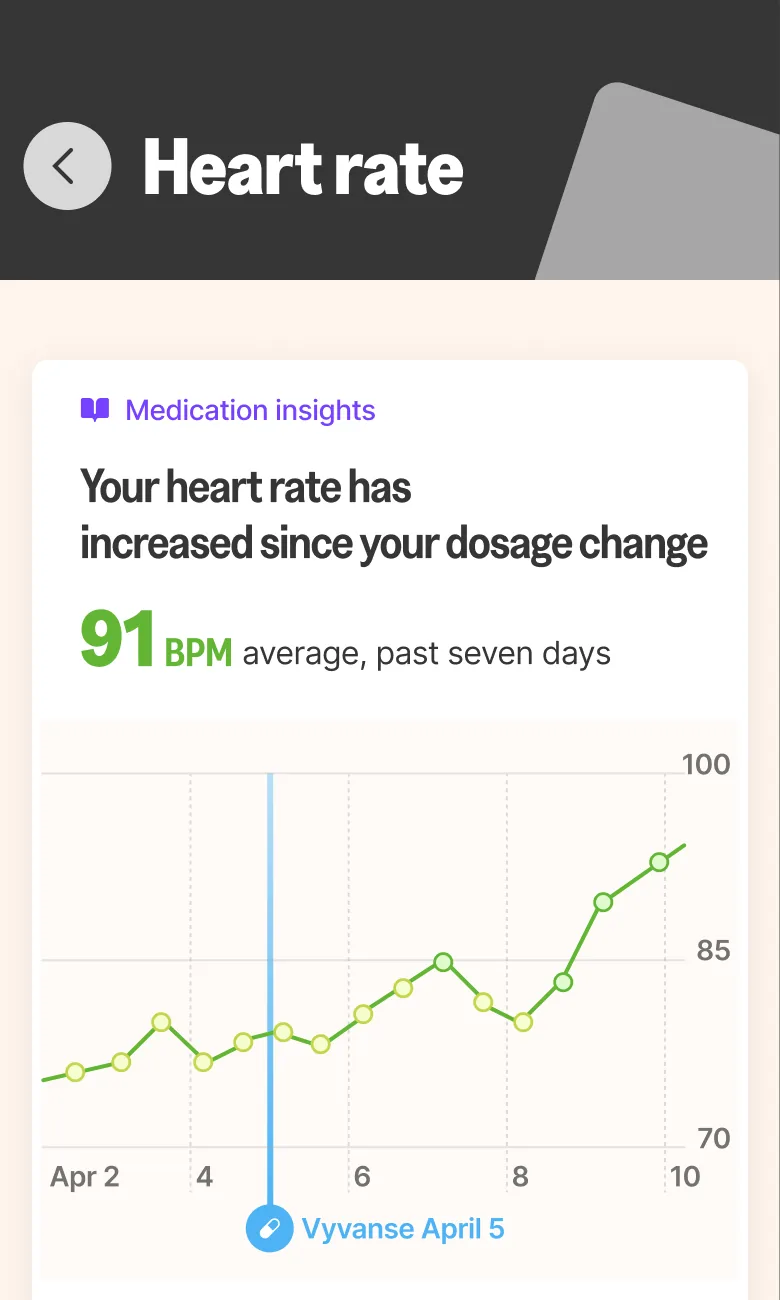
See what changed, and since when.
Your wearable’s numbers with every treatment change marked on them. Levl points to what moved. You and your clinician decide what it means.
-
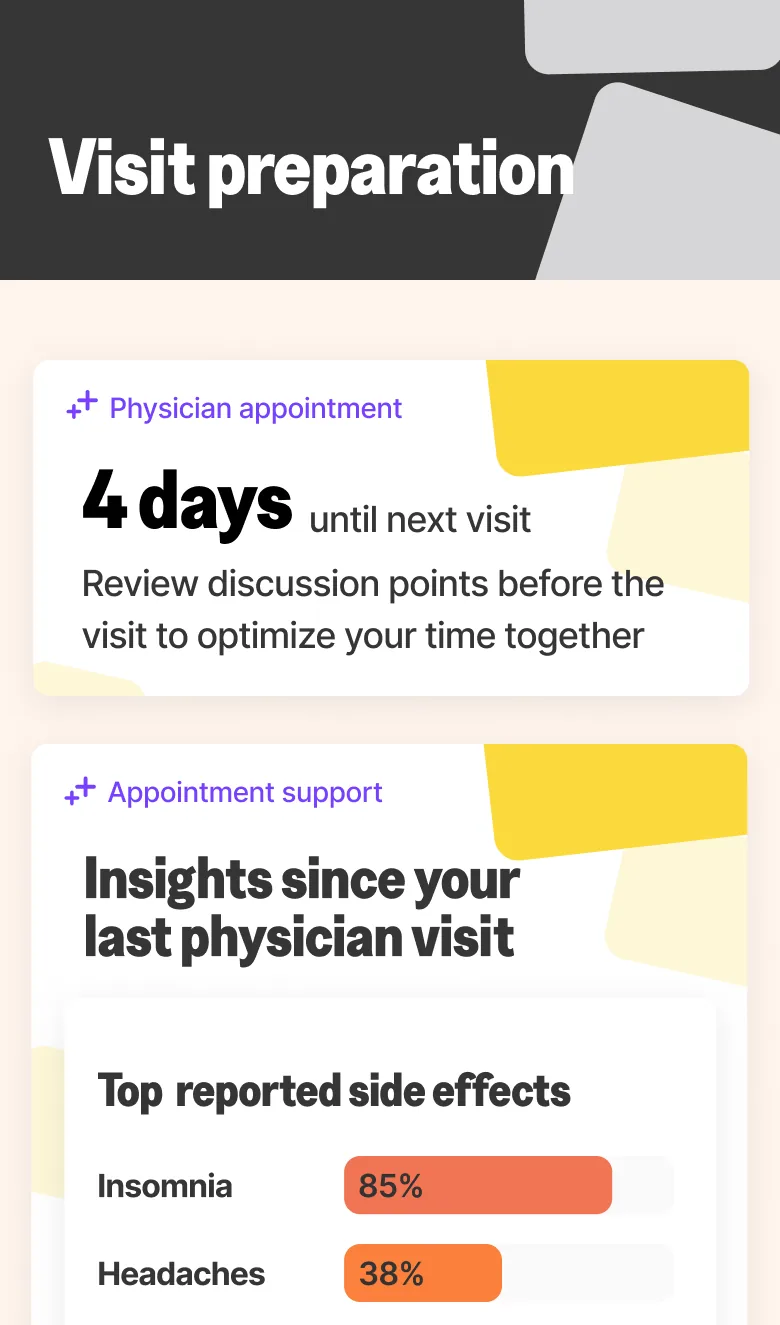
Bring it to your clinician.
Save a note the moment something looks off. Before your appointment, Levl gathers them, so the visit starts with more to go on than memory.
Swipe to see all five.
We’ll show you what changed. We won’t pretend to know why.
A pattern is a reason to look closer with your clinician. It isn’t a verdict, and it’s never a reason to stop a treatment on your own.
It knows which signals matter for your treatment.
Different treatments show up in different places. Levl reads the set that fits yours, from devices you already own, and always alongside your own check-ins.
Keep your Whoop, your Oura, your Apple Watch. Levl is the part that reads them against your treatment.
Levl doesn’t recommend treatments or doses. It follows the one you and your prescriber chose. No connected scale, sensor or cycle app? Log those yourself.
A wearable knows your body. A diary knows your day. Neither was built around your treatment.
- Built for it
- Partly, if you log it by hand
Levl is the one line that runs the whole way: from your wrist and your own words, through your treatment, to the person treating you.
One picture, two views. You hold the switch.
The Levl app is yours. Levl Clinical is what your care team gets, and only once you turn it on. Try the switches.
Off. They see nothing.
Between-visit summary Apr 2 to Apr 16
Off. They see nothing.
A good day to check in with Tabitha.A nudge. No numbers, no details.
Everything starts switched off. Concept views, sample data.
Who can see what, and why.
The information that could help you most is the information that could hurt you most. So these are the rules we build by.
Not for sale.
Never sold, never licensed, never used for advertising. It doesn’t go to your employer.
Shared on purpose.
You choose who’s in the loop. They get what that purpose needs, not your whole life. We’re building it so you can see what they see, and add your side.
Stopping is real.
Stop sharing or collecting whenever you want. We delete what we aren’t required to keep, and tell you before you start what has to be kept, and by whom.
The fine print, in large print.
- Levl is not an emergency service. Nobody watches your information in real time, and Levl can’t call for help. If you’re in danger, call 911, or 988 for the Suicide & Crisis Lifeline.
- Research is different. If you join a study, the research team and your clinician see what the consent form describes, and study records are kept as the rules require. You read all of it before you agree to any of it.
- Stopping sharing stops what happens next. It can’t take back what someone has already seen.
- This site practices what it says: no ad trackers, no third-party scripts, and a form that asks nothing about your health.
Swipe to read all four.
Tested before it’s claimed.
Levl Clinical, the half your care team uses, is funded by the National Institute on Drug Abuse and being developed with Children’s National Hospital. The first study asks whether people can use it, not whether it works. We’ll say so when that changes.
- FundedNIDA small-business award
- Ethics reviewPending. We’re here.
- First studyUsability and feasibility
- What we learnReported either way
Want in?
For people and families
We’ll write when a beta cohort opens and when we have something real to report. That’s all. We don’t ask about your health here.
For care teams, researchers and funders
We’re looking for clinical partners and honest critics. Tell us what you’d need to see before you’d trust this.
This site doesn’t recruit for the study. Participation is offered only through Children’s National, with materials reviewed by its ethics board.